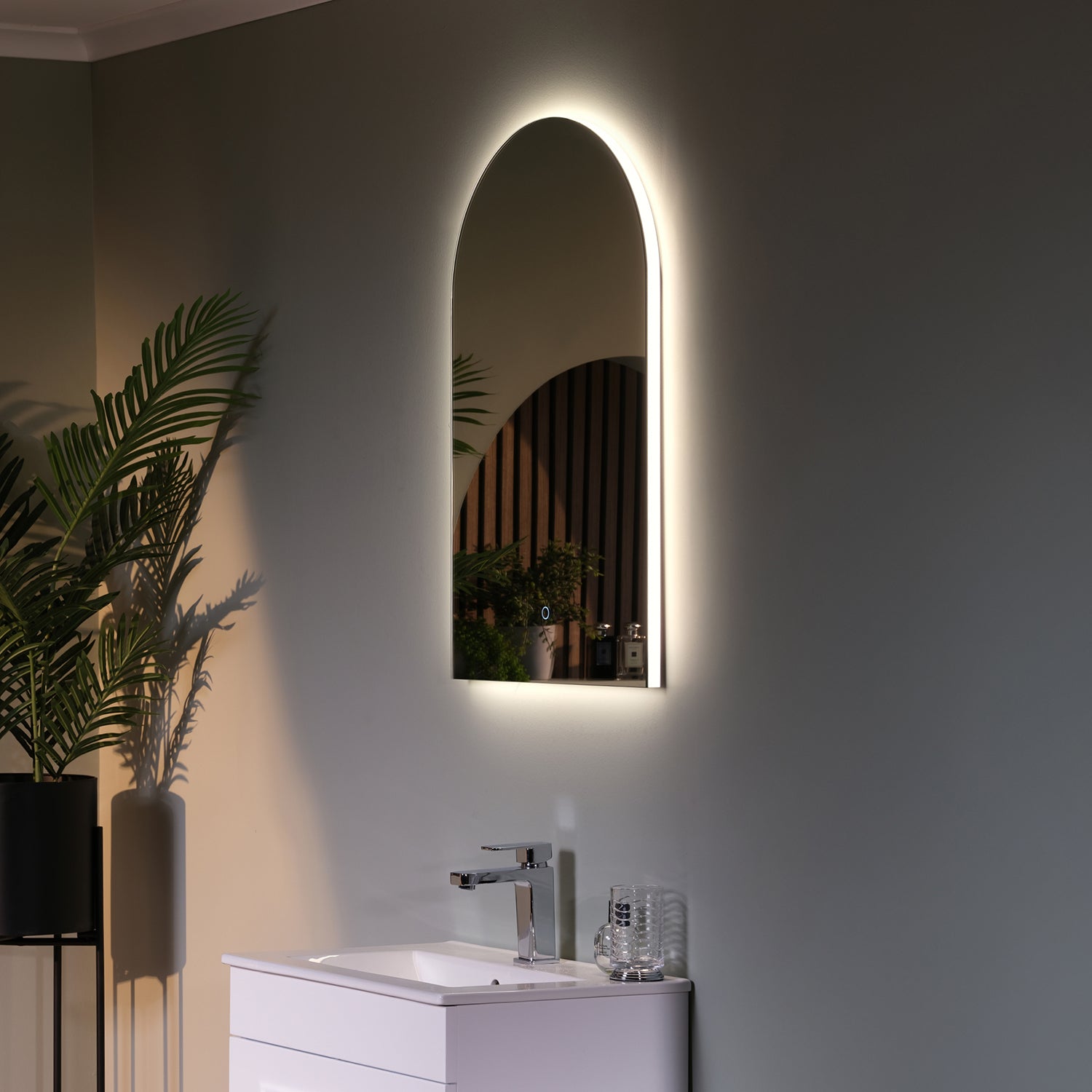
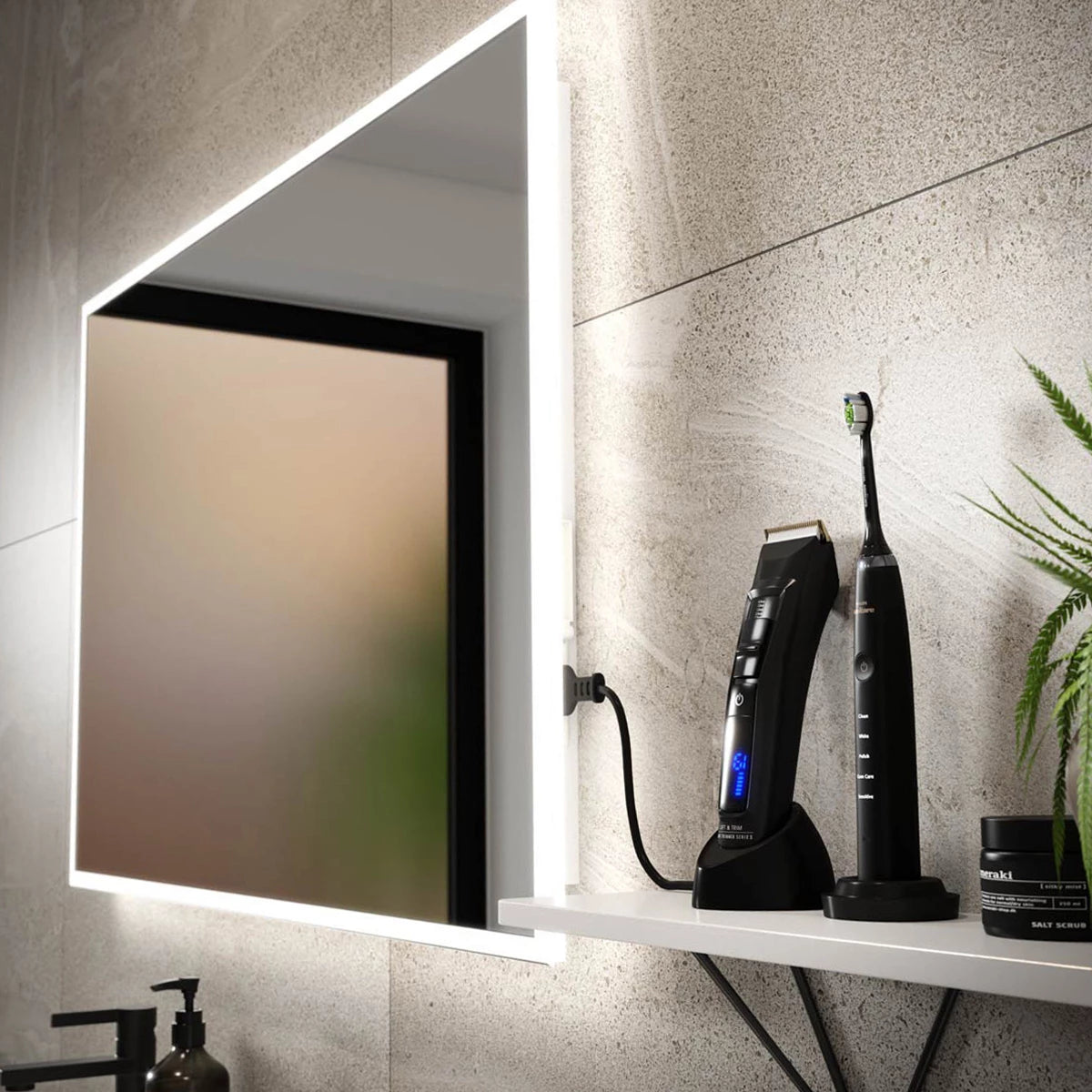
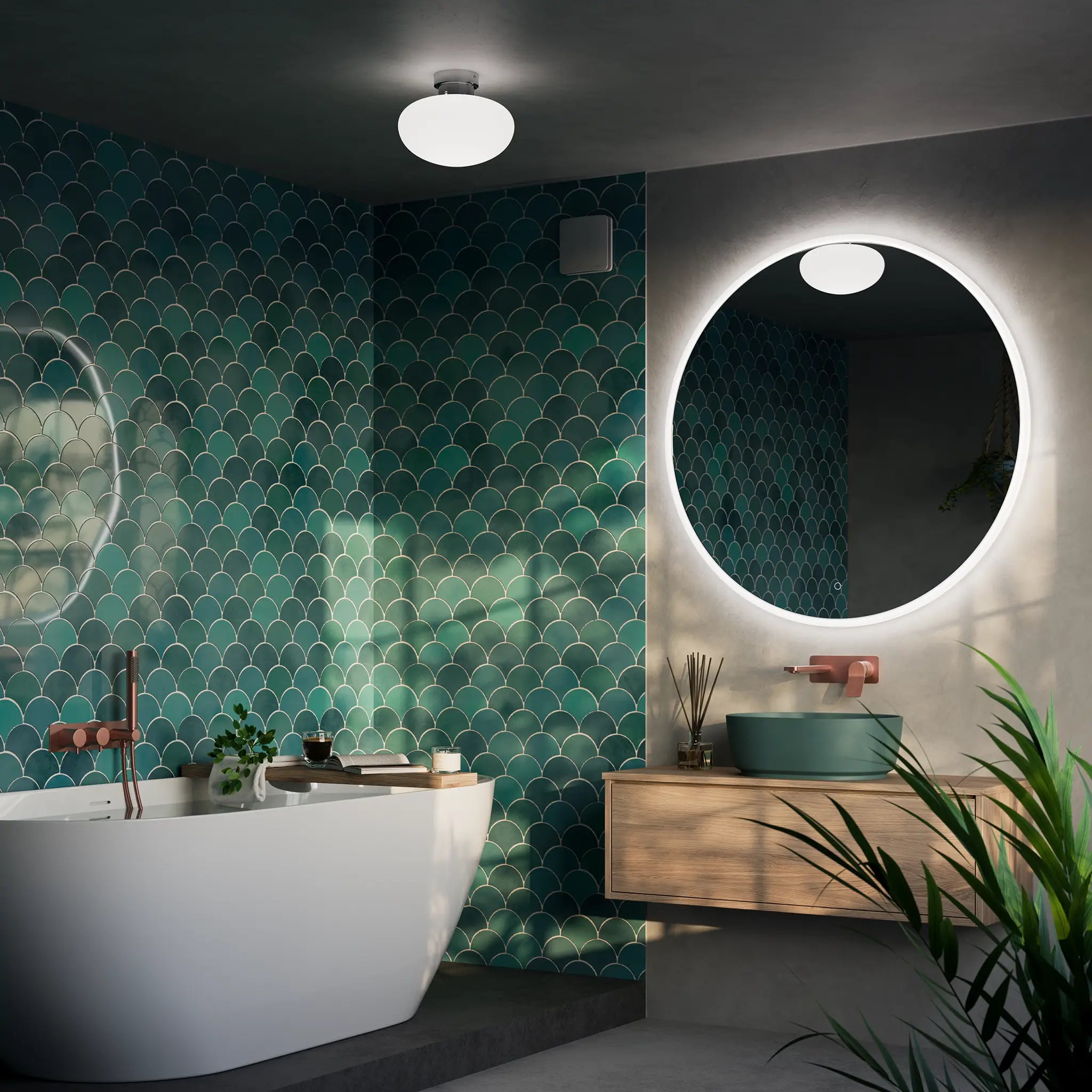
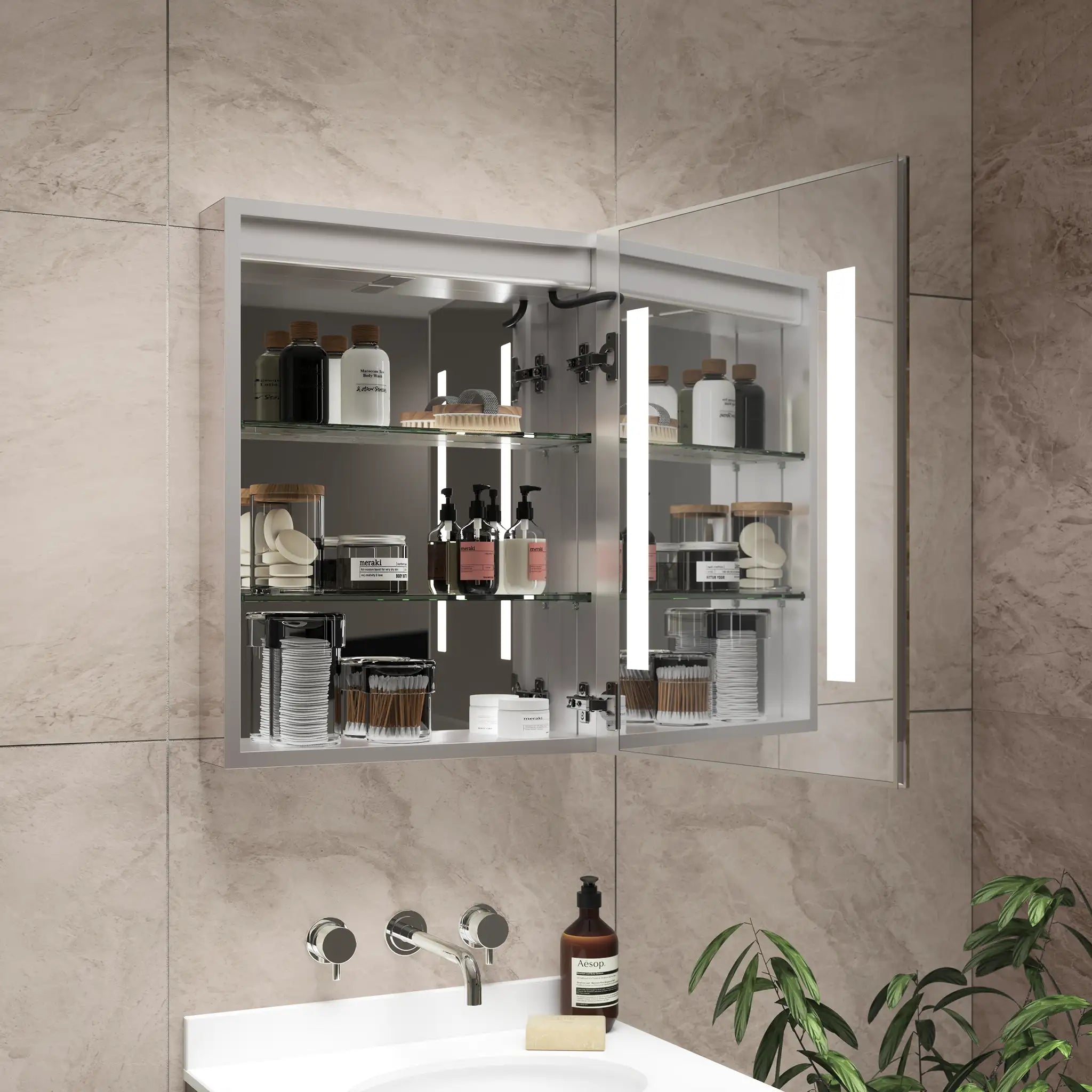




If you've browsed illuminated bathroom mirrors and noticed specifications like "3000K" or "6500K" without quite knowing what they mean, this guide is for you. Colour temperature is one of the most important factors in how your mirror — and your bathroom — actually looks and feels in use. It's worth understanding before you buy.
What Is Colour Temperature?
Colour temperature is a way of describing the colour of white light. It's measured in Kelvin (K), and the scale runs roughly from 1800K at the warm, amber end up to 6500K and beyond at the cool, blue-white end. The higher the number, the cooler and crisper the light appears. The lower the number, the warmer and more golden it looks.
Think of it this way: candlelight sits at around 1800K — warm, orange, flattering but dim. Midday daylight is around 5500–6500K — bright, clean, and neutral. Most bathroom mirrors fall somewhere in between, and the choice you make has a real impact on how the space feels.
The Three Main Ranges
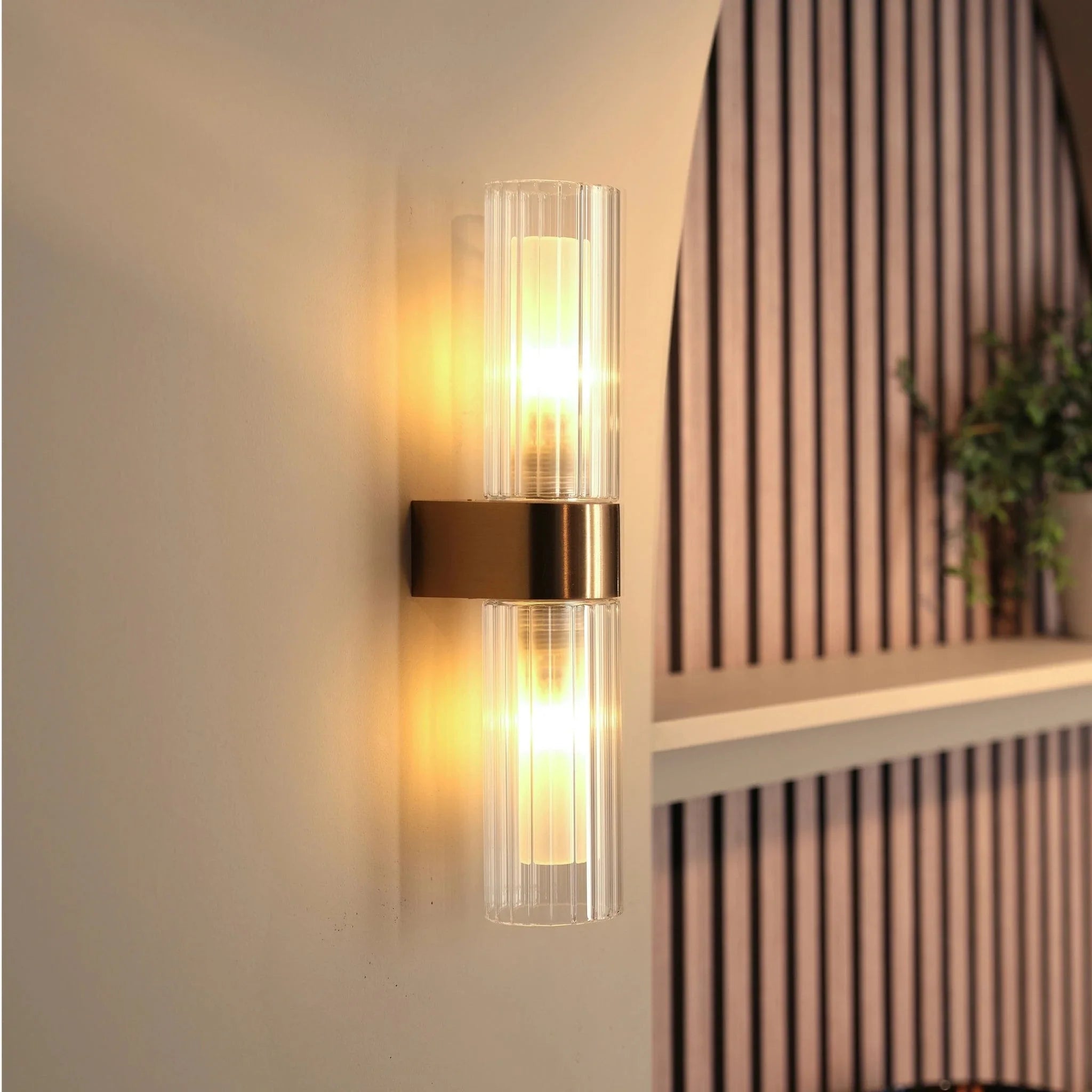
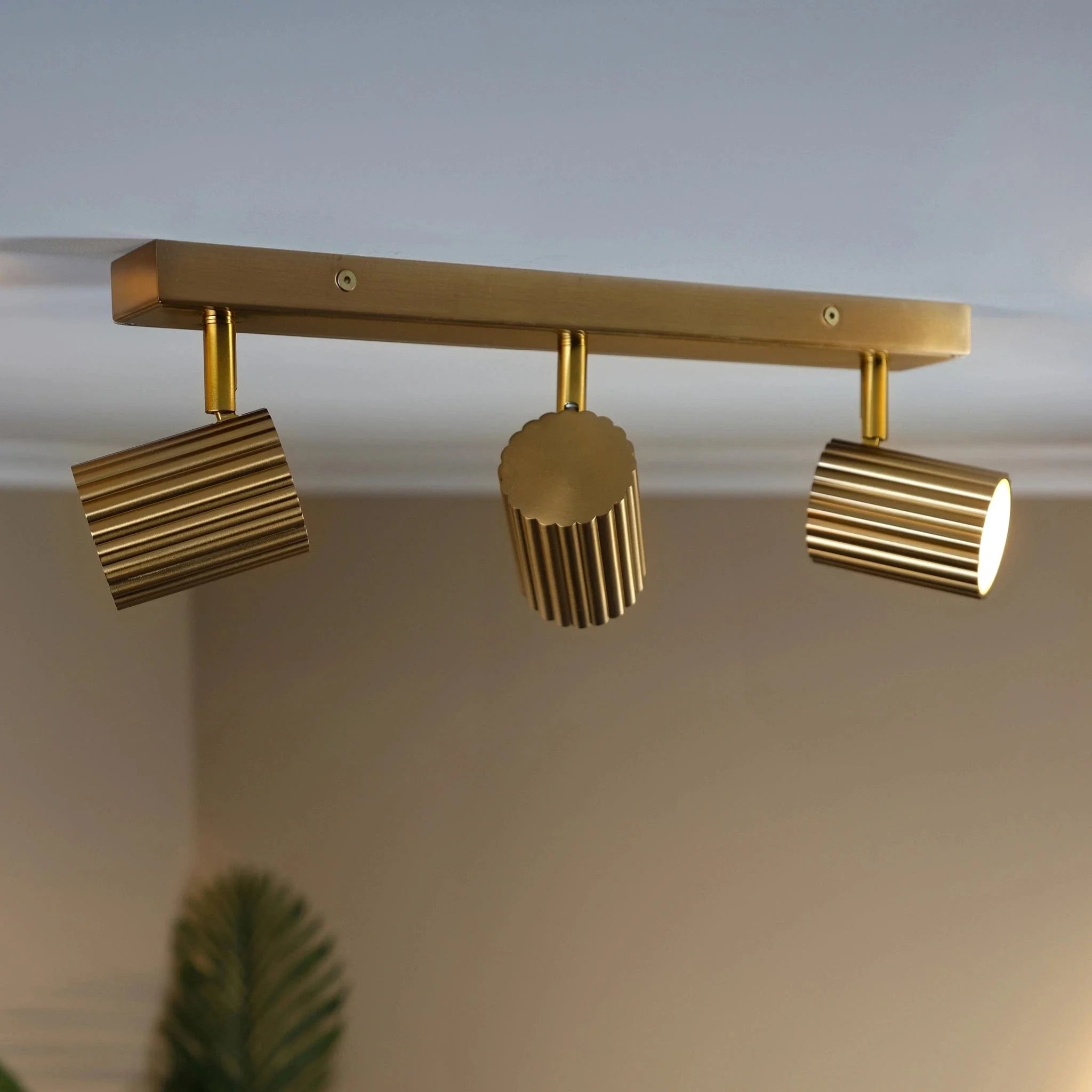
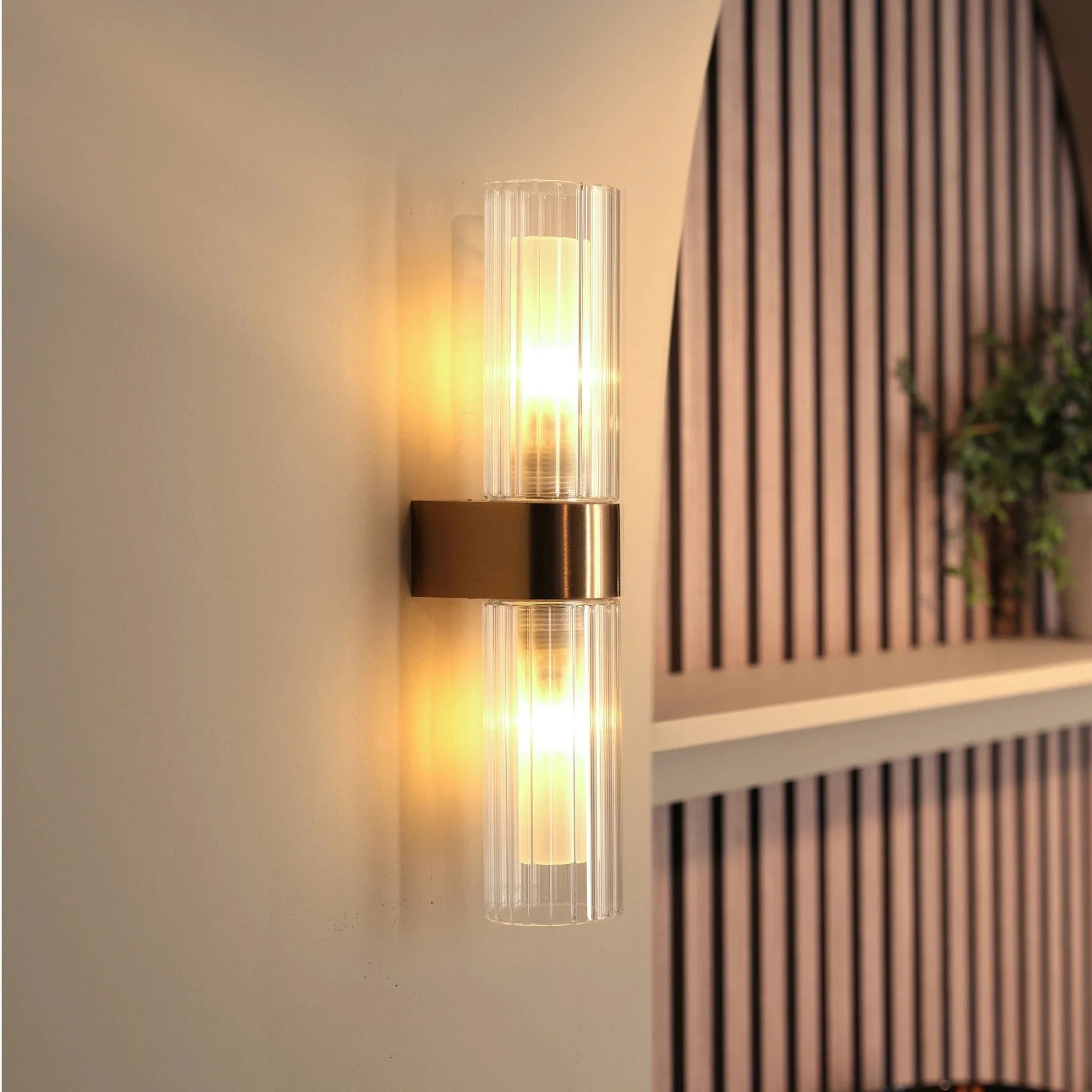
Warm white (2700–3000K) produces a soft, golden-toned light. It's the closest to traditional incandescent bulbs, and it creates a relaxed, intimate atmosphere. Warm white works beautifully in bathrooms designed for unwinding — soaking baths, calm spaces, soft colour palettes. It's also very flattering for skin tones, which is one reason it's popular in hospitality settings. The downside is that it can make it harder to judge make-up colour accurately, since it adds a yellow-orange cast to everything it illuminates.
Neutral white (3500–4000K) sits in the middle of the range and is often described as "natural white." It's closer to the kind of daylight you'd get from a north-facing window — clean and bright without the harshness of a cooler light. This is the most versatile choice for a bathroom that needs to do more than one thing: it's bright enough for task lighting and makeup, while still feeling warm enough to be comfortable. Many designers consider neutral white the default recommendation for bathroom mirrors precisely because it avoids the compromises at either extreme.
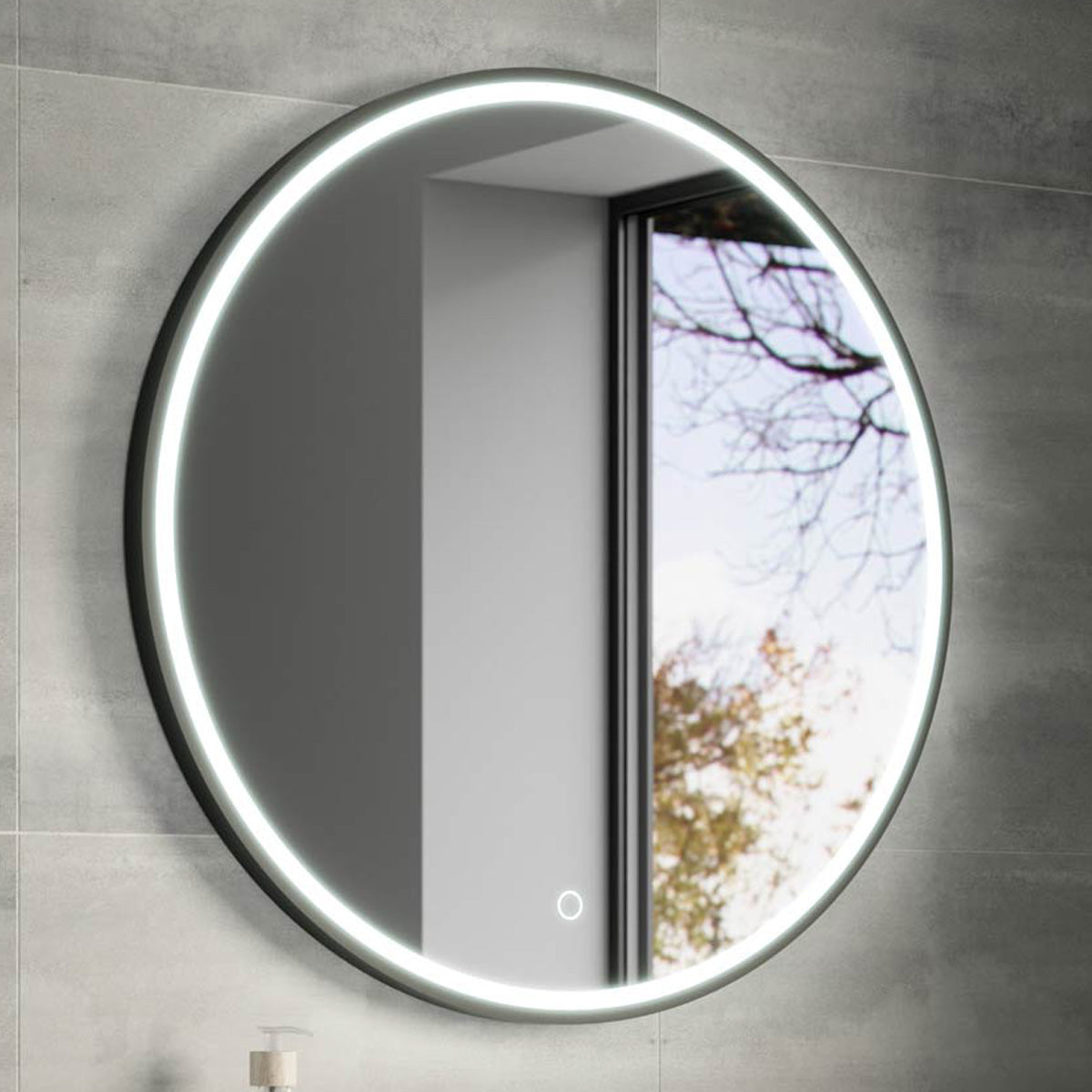
Cool or daylight white (5000–6500K) produces a sharp, blue-tinted light that's excellent for precision tasks. Makeup artists working professionally often prefer cool white because it most closely replicates daylight, making it easier to judge colour accurately. However, in most domestic bathrooms, cool white can feel clinical and unflattering. It tends to emphasise redness and shadows in a way that warm white doesn't, and it can make a bathroom feel cold and stark rather than inviting.

Which Works Best for Different Uses?
For a bathroom primarily used for relaxing baths and general use, warm white (2700–3000K) is a comfortable and appealing choice.
For a bathroom that doubles as a space for makeup application, shaving, or any task where accurate colour judgement matters, neutral white (3500–4000K) is the most practical option.
For a dedicated beauty space or dressing room where makeup precision is the top priority, cool white (5000K+) is the professional choice — but think carefully before selecting it for a general family bathroom.
Does It Matter for Bathroom Photos?
Yes, noticeably so. If you share bathroom photos on social media, or if you're staging a bathroom for a property sale, colour temperature has a significant effect on how the room photographs. Warm white creates a golden, atmospheric look that photographs well and feels welcoming. Cool white tends to look clinical and flat in photos, and can make tiles and surfaces look stark. Neutral white is the most reliable choice across both real-life use and photography.
Is Adjustable Colour Temperature Worth It?
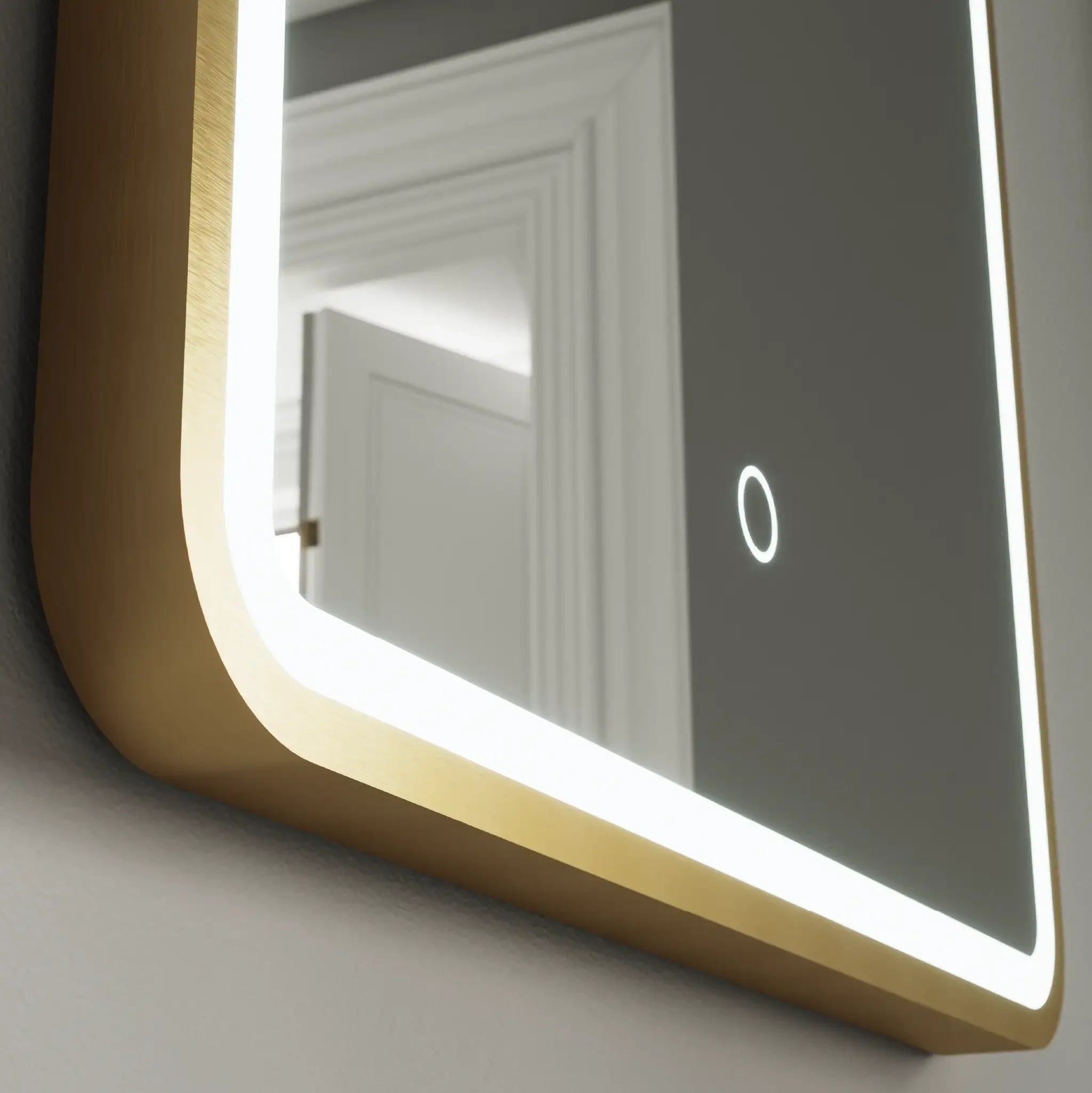
Some mirrors offer tuneable LEDs — meaning you can shift the colour temperature from warm to cool via a touch control or a remote. This is a genuinely useful feature if multiple people use the mirror for different purposes (some for relaxing baths, some for makeup). It's also helpful if you're unsure which temperature suits your bathroom and want flexibility.
The trade-off is modest additional cost and slightly more complexity in the controls. For most buyers, choosing the right fixed temperature is simpler and perfectly sufficient. But if adjustability matters to you, it's worth seeking out.
How to Read the Kelvin Spec on a Product Listing
Look for "colour temperature" or "CCT" (correlated colour temperature) in the product specification. It will be stated in Kelvin — something like "3000K" or "warm white 2700K." Some listings show a range if the mirror is tuneable. If the spec only says "warm white" or "cool white" without a number, it's reasonable to ask, since "warm white" can mean different things to different manufacturers.
All Pebble Grey mirrors state the colour temperature clearly on the product page, so you can make the choice with full information.
Browse the Pebble Grey range and filter by colour temperature to find the right light for your bathroom — whether you're after a relaxing warm glow or a crisp daylight finish.